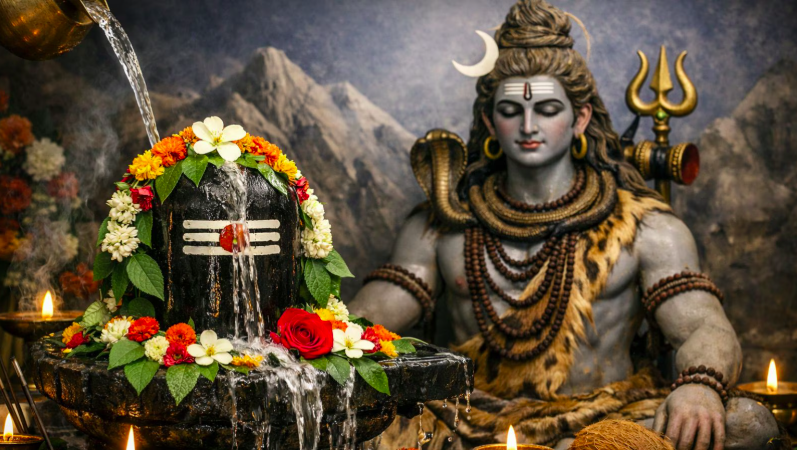
Sawan 2026: Complete Guide to Dates, Sawan Mondays, Puja Rituals, Fasting Rules, Significance & Spiritual Benefits | Pujapathvedic Blog
Sawan 2026: Complete Guide to Dates, Sawan Mondays, Puja Rituals, Fasting Rules, Significance & Spiritual Benefits

Sawan 2026: Complete Guide to Dates, Sawan Mondays, Puja Rituals, Fasting Rules, Significance & Spiritual Benefits

Blog

Discover everything about Sawan 2026, including the start and end dates, all Sawan Monday (Shravan Somwar) dates, the significance of the holy month, Lord Shiva's connection with Sawan, step-by-step puja rituals, fasting rules, essential worship materials, Kanwar Yatra, spiritual benefits, and important traditions. This comprehensive guide will help devotees observe Sawan with devotion and understand its deep religious and cultural importance.

20
Shivam Gangwar 5 min
Jul 12, 2026

सावन 2026: संपूर्ण जानकारी – शुरुआत और समापन तिथि, सभी सावन सोमवार, पूजा विधि, व्रत नियम, महत्व, कथा और भगवान शिव की कृपा प्राप्त करने का सम्पूर्ण मार्गदर्शन

परिचय

सावन (श्रावण) का महीना हिंदू धर्म में भगवान शिव की उपासना के लिए सबसे पवित्र और शुभ महीनों में से एक माना जाता है। इस पूरे माह में शिव भक्त विशेष रूप से भगवान शिव, माता पार्वती, नंदी महाराज और शिव परिवार की पूजा-अर्चना करते हैं तथा व्रत रखकर उनकी कृपा प्राप्त करने का प्रयास करते हैं।

ऐसी मान्यता है कि सावन मास में श्रद्धा और विधि-विधान से भगवान शिव की आराधना करने से जीवन के सभी कष्ट दूर होते हैं, मनोकामनाएँ पूर्ण होती हैं तथा सुख, शांति, समृद्धि और उत्तम स्वास्थ्य का आशीर्वाद प्राप्त होता है।

सावन का प्रत्येक दिन शुभ माना जाता है, लेकिन सावन सोमवार (श्रावण सोमवार) का विशेष महत्व है। इन दिनों में लाखों श्रद्धालु शिवालयों में जलाभिषेक, रुद्राभिषेक और "ॐ नमः शिवाय" मंत्र का जप करते हैं।


सावन 2026 कब से कब तक है?

उत्तर भारत में प्रचलित पूर्णिमांत पंचांग के अनुसार:

  • सावन प्रारंभ: 30 जुलाई 2026 (गुरुवार)
  • सावन समाप्त: 28 अगस्त 2026 (शुक्रवार)

ध्यान दें: भारत के विभिन्न राज्यों में पंचांग (पूर्णिमांत और अमांत) के अनुसार सावन मास की तिथियों में अंतर हो सकता है। अपने क्षेत्र के स्थानीय पंचांग के अनुसार तिथियों की पुष्टि अवश्य करें।


सावन सोमवार 2026 की तिथियाँ

सावन महीने में आने वाले सोमवार अत्यंत शुभ माने जाते हैं।

सावन सोमवारतिथिदिन
पहला सावन सोमवार3 अगस्त 2026सोमवार
दूसरा सावन सोमवार10 अगस्त 2026सोमवार
तीसरा सावन सोमवार17 अगस्त 2026सोमवार
चौथा सावन सोमवार24 अगस्त 2026सोमवार


सावन का धार्मिक महत्व

हिंदू धर्मग्रंथों के अनुसार सावन मास भगवान शिव को अत्यंत प्रिय है।

इस महीने में की गई पूजा, व्रत, जप, दान और अभिषेक का फल कई गुना अधिक प्राप्त होता है। श्रद्धालुओं का विश्वास है कि भगवान शिव इस मास में अपने भक्तों की प्रार्थनाओं को शीघ्र स्वीकार करते हैं।


सावन मास भगवान शिव को प्रिय क्यों है?

सावन मास से जुड़ी कई धार्मिक मान्यताएँ हैं—

1. समुद्र मंथन की कथा

पुराणों के अनुसार जब देवताओं और असुरों ने समुद्र मंथन किया, तब सबसे पहले अत्यंत विषैला हलाहल विष निकला।

इस विष से सम्पूर्ण सृष्टि संकट में पड़ गई। तब भगवान शिव ने संसार की रक्षा के लिए उस विष का पान कर लिया।

माता पार्वती ने विष को उनके कंठ से नीचे नहीं जाने दिया, जिसके कारण उनका कंठ नीला हो गया और वे नीलकंठ कहलाए।

देवताओं ने भगवान शिव के शरीर की गर्मी कम करने के लिए उन्हें जल अर्पित किया। तभी से सावन में जलाभिषेक की परंपरा प्रारंभ हुई।


2. माता पार्वती का तप

कथा के अनुसार माता पार्वती ने भगवान शिव को पति रूप में प्राप्त करने के लिए अनेक वर्षों तक कठोर तपस्या की।

उनकी तपस्या से प्रसन्न होकर भगवान शिव ने उन्हें अपनी अर्धांगिनी स्वीकार किया।

इसी कारण अविवाहित कन्याएँ उत्तम जीवनसाथी की कामना से सावन सोमवार का व्रत रखती हैं।


3. वर्षा ऋतु और प्रकृति

सावन वर्षा का महीना होता है। प्रकृति हरियाली से भर जाती है और वातावरण अत्यंत पवित्र एवं शांत हो जाता है।

यह समय साधना, ध्यान और भक्ति के लिए अत्यंत उपयुक्त माना गया है।


भगवान शिव कौन हैं?

भगवान शिव त्रिदेव (ब्रह्मा, विष्णु और महेश) में संहार और पुनः सृजन के देवता हैं।

उन्हें अनेक नामों से जाना जाता है—

  • महादेव
  • भोलेनाथ
  • शंकर
  • नीलकंठ
  • महाकाल
  • रुद्र
  • पशुपतिनाथ
  • विश्वनाथ
  • त्रिपुरारी
  • आशुतोष

भगवान शिव अत्यंत सरल स्वभाव के देवता हैं। वे सच्चे मन से की गई छोटी-सी भक्ति से भी प्रसन्न हो जाते हैं।


सावन में पूजा क्यों की जाती है?

सावन में भगवान शिव की पूजा करने से श्रद्धालुओं की मान्यता के अनुसार—

  • मनोकामनाएँ पूर्ण होती हैं।
  • विवाह में आने वाली बाधाएँ दूर होती हैं।
  • वैवाहिक जीवन सुखमय होता है।
  • परिवार में सुख-शांति बनी रहती है।
  • आर्थिक उन्नति होती है।
  • मानसिक तनाव कम होता है।
  • नकारात्मक ऊर्जा दूर होती है।
  • आध्यात्मिक उन्नति होती है।

सावन में पूजा की तैयारी

पूजा से पहले निम्न सामग्री एकत्र करें—

  • गंगाजल
  • स्वच्छ जल
  • दूध
  • दही
  • शहद
  • घी
  • शक्कर
  • बेलपत्र
  • धतूरा
  • भांग (जहाँ परंपरा अनुसार स्वीकार्य हो)
  • सफेद चंदन
  • अक्षत (चावल)
  • सफेद पुष्प
  • फल
  • धूप
  • दीपक
  • रुद्राक्ष माला
  • नैवेद्य
  • कपूर

सावन पूजा विधि (स्टेप बाय स्टेप)

चरण 1 – प्रातःकाल स्नान करें

ब्रह्म मुहूर्त या सूर्योदय के बाद स्नान करें।

स्वच्छ एवं हल्के रंग के वस्त्र धारण करें।


चरण 2 – पूजा का संकल्प लें

भगवान शिव का ध्यान करें और अपने व्रत एवं पूजा का संकल्प लें।


चरण 3 – शिवलिंग का अभिषेक करें

क्रमशः अर्पित करें—

  • जल
  • गंगाजल
  • दूध
  • दही
  • घी
  • शहद
  • शक्कर
  • पुनः स्वच्छ जल

इसे पंचामृत अभिषेक भी कहा जाता है।


चरण 4 – पूजन सामग्री अर्पित करें

भगवान शिव को अर्पित करें—

  • बेलपत्र (तीन पत्तियों वाला)
  • धतूरा
  • आक के फूल
  • सफेद पुष्प
  • चंदन
  • भस्म
  • फल

ध्यान रखें कि बेलपत्र स्वच्छ और अखंड होना चाहिए।


चरण 5 – दीप और धूप जलाएँ

भगवान शिव के समक्ष दीपक और धूप अर्पित करें।


चरण 6 – मंत्र जाप करें

निम्न मंत्रों का जाप करें—

ॐ नमः शिवाय

या

महामृत्युंजय मंत्र

ॐ त्र्यम्बकं यजामहे सुगन्धिं पुष्टिवर्धनम्।
उर्वारुकमिव बन्धनान्मृत्योर्मुक्षीय मामृतात्॥


चरण 7 – शिव चालीसा एवं आरती करें

  • शिव चालीसा
  • शिव आरती
  • रुद्राष्टकम
  • शिव तांडव स्तोत्र (यदि संभव हो)

का पाठ करें।


चरण 8 – प्रसाद अर्पित करें

फल, मिष्ठान एवं अन्य सात्विक प्रसाद अर्पित करें।


चरण 9 – भगवान शिव से प्रार्थना करें

अपने परिवार, समाज और समस्त संसार के कल्याण की कामना करें।


सावन सोमवार व्रत कैसे करें?

  • सूर्योदय से पहले उठें।
  • स्नान करके स्वच्छ वस्त्र पहनें।
  • व्रत का संकल्प लें।
  • भगवान शिव की पूजा करें।
  • दिनभर सात्विक आहार लें या फलाहार करें।
  • मांस, मदिरा, तामसिक भोजन से दूर रहें।
  • शिव मंत्रों का जाप करें।
  • संध्या समय आरती करें।
  • व्रत का पारण पूजा के बाद करें।

सावन में क्या करें?

✔ भगवान शिव का नियमित जलाभिषेक करें।
✔ "ॐ नमः शिवाय" का जाप करें।
✔ शिव चालीसा का पाठ करें।
✔ गरीबों को दान दें।
✔ गौ सेवा करें।
✔ माता-पिता और गुरु का सम्मान करें।
✔ सात्विक भोजन करें।
✔ क्रोध और अहंकार से दूर रहें।
✔ सत्य और संयम का पालन करें।


सावन में क्या नहीं करना चाहिए?

  • मांसाहार का सेवन।
  • शराब एवं नशीले पदार्थ।
  • झूठ बोलना।
  • किसी का अपमान करना।
  • क्रोध करना।
  • तामसिक भोजन करना।
  • पेड़-पौधों को अनावश्यक नुकसान पहुँचाना।
  • अनैतिक कार्य करना।

सावन में किए जाने वाले प्रमुख धार्मिक कार्य

  • रुद्राभिषेक
  • जलाभिषेक
  • महामृत्युंजय जाप
  • रुद्राक्ष धारण
  • शिव पुराण का पाठ
  • शिव मंदिर दर्शन
  • कांवड़ यात्रा
  • गरीबों को अन्न एवं वस्त्र दान

कांवड़ यात्रा का महत्व

सावन में लाखों शिवभक्त पवित्र नदियों जैसे गंगा से जल लाकर भगवान शिव का जलाभिषेक करते हैं।

इसे कांवड़ यात्रा कहा जाता है। श्रद्धालु पैदल यात्रा कर भगवान शिव के प्रति अपनी आस्था और समर्पण प्रकट करते हैं।


सावन मास के आध्यात्मिक लाभ

धार्मिक मान्यताओं के अनुसार सावन में श्रद्धापूर्वक पूजा करने से—

  • भगवान शिव की कृपा प्राप्त होती है।
  • मन को शांति मिलती है।
  • आत्मविश्वास बढ़ता है।
  • नकारात्मकता दूर होती है।
  • जीवन में सुख और समृद्धि आती है।
  • मानसिक एवं आध्यात्मिक उन्नति होती है।
  • परिवार में प्रेम और सौहार्द बना रहता है।

सावन हमें क्या सिखाता है?

सावन केवल पूजा का महीना नहीं, बल्कि आत्मशुद्धि, संयम, सेवा और भक्ति का भी पर्व है।

यह हमें सिखाता है—

  • ईश्वर पर विश्वास रखें।
  • प्रकृति का सम्मान करें।
  • सादगी से जीवन जीएँ।
  • सत्य और धर्म का पालन करें।
  • क्रोध और अहंकार का त्याग करें।
  • दूसरों की सहायता करें।
  • मन, वचन और कर्म को पवित्र बनाएँ।


Sawan 2026: Complete Guide – Start & End Date, All Sawan Mondays, Puja Vidhi, Fasting Rules, Rituals, Significance, History & Spiritual Benefits

Introduction

Sawan, also known as Shravan, is one of the holiest months in the Hindu calendar and is especially dedicated to the worship of Lord Shiva. Throughout this sacred month, millions of devotees offer prayers, observe fasts, perform Jalabhishek (offering holy water), and chant Shiva mantras to seek the blessings of Mahadev.

According to Hindu beliefs, worshipping Lord Shiva with devotion during Sawan removes obstacles, fulfills sincere wishes, brings peace, prosperity, good health, and spiritual growth.

Although every day of Sawan is considered auspicious, Sawan Mondays (Shravan Somwar) hold exceptional importance. On these days, devotees visit Shiva temples, perform Rudrabhishek, offer Bel Patra to the Shivling, and chant the sacred mantra "Om Namah Shivaya."


When is Sawan 2026?

According to the Purnimanta calendar, which is widely followed in North India:

  • Sawan Begins: 30 July 2026 (Thursday)
  • Sawan Ends: 28 August 2026 (Friday)

Note: The dates of Sawan may vary in different regions of India due to the use of Purnimanta and Amanta lunar calendars. Please refer to your local Panchang for regional observance.


Sawan Monday Dates 2026

The Mondays falling during the holy month of Sawan are considered highly auspicious for Lord Shiva's worship.

Sawan MondayDateDay
First Sawan Monday3 August 2026Monday
Second Sawan Monday10 August 2026Monday
Third Sawan Monday17 August 2026Monday
Fourth Sawan Monday24 August 2026Monday

Importance of Sawan

Sawan is regarded as the most sacred month dedicated to Lord Shiva.

According to Hindu scriptures, prayers, fasting, meditation, charity, mantra chanting, and Abhishek performed during this month are believed to yield many times greater spiritual merit. Devotees believe that Lord Shiva is especially compassionate during Sawan and readily blesses sincere worshippers.


Why is Sawan Dedicated to Lord Shiva?

Several sacred legends explain why Sawan is considered Lord Shiva's favorite month.

1. The Story of Samudra Manthan (Churning of the Ocean)

According to Hindu mythology, during the Samudra Manthan, the gods (Devas) and demons (Asuras) churned the cosmic ocean in search of Amrit (the nectar of immortality).

Before the nectar emerged, a deadly poison called Halahala appeared, threatening to destroy the entire universe.

To protect creation, Lord Shiva consumed the poison.

Goddess Parvati prevented the poison from entering his body by holding it in his throat, causing it to turn blue. Since then, Lord Shiva has been known as Neelkanth (The Blue-Throated One).

To reduce the intense heat caused by the poison, the gods continuously offered water to Lord Shiva.

This is believed to be the origin of the tradition of offering water to the Shivling during Sawan.


2. Goddess Parvati's Penance

According to another legend, Goddess Parvati performed severe penance for many years to obtain Lord Shiva as her husband.

Pleased with her unwavering devotion, Lord Shiva accepted her as his divine consort.

Because of this, unmarried women observe Sawan Monday fasts to seek an ideal life partner, while married women pray for the happiness and longevity of their husbands.


3. The Monsoon Season

Sawan falls during the rainy season when nature becomes lush, green, and vibrant.

The peaceful atmosphere created by the monsoon is considered ideal for meditation, devotion, self-discipline, and spiritual practices.


Who is Lord Shiva?

Lord Shiva is one of the Trimurti (Holy Trinity) of Hinduism, alongside Lord Brahma and Lord Vishnu.

He is known as the Destroyer and Transformer, responsible for dissolving negativity and preparing the way for new creation.

Lord Shiva is worshipped by many names, including:

  • Mahadev
  • Bholenath
  • Shankar
  • Neelkanth
  • Mahakal
  • Rudra
  • Pashupatinath
  • Vishwanath
  • Tripurari
  • Ashutosh

Lord Shiva is believed to be compassionate and easily pleased by sincere devotion, regardless of a devotee's wealth or status.


Why Do People Worship Lord Shiva During Sawan?

Devotees worship Lord Shiva during Sawan with the belief that it helps them receive divine blessings for:

  • Fulfillment of wishes
  • Peace and happiness
  • Good health
  • Prosperity
  • Successful marriage
  • Removal of obstacles
  • Mental strength
  • Spiritual growth
  • Family harmony
  • Protection from negative influences

Puja Materials Required

Before beginning the worship, gather the following items:

  • Holy water (Gangajal)
  • Clean water
  • Milk
  • Yogurt
  • Honey
  • Ghee
  • Sugar
  • Bel Patra (Bilva Leaves)
  • Datura fruit or flowers
  • Bhang (where traditionally practiced)
  • Sandalwood paste
  • Rice (Akshat)
  • White flowers
  • Fruits
  • Incense sticks
  • Oil or ghee lamp
  • Rudraksha mala
  • Prasad
  • Camphor

Sawan Puja Procedure (Step by Step)

Step 1 – Take a Holy Bath

Wake up early in the morning, preferably during Brahma Muhurta.

Take a bath and wear clean, modest, preferably light-colored clothes.


Step 2 – Take a Sankalp (Sacred Resolution)

Meditate upon Lord Shiva and take a sincere vow to perform the worship with devotion.


Step 3 – Perform Abhishek of the Shivling

Offer the following items in order:

  • Water
  • Gangajal
  • Milk
  • Yogurt
  • Ghee
  • Honey
  • Sugar
  • Water again

This ritual is also known as Panchamrit Abhishek.


Step 4 – Offer Sacred Items

Offer:

  • Bel Patra (Bilva Leaves)
  • Datura
  • White flowers
  • Sandalwood paste
  • Sacred ash (Vibhuti)
  • Fruits

Ensure that the Bel Patra is fresh, clean, and unbroken.


Step 5 – Light the Lamp and Incense

Light a diya and incense sticks before Lord Shiva as a symbol of devotion and purity.


Step 6 – Chant Shiva Mantras

Recite the sacred mantras:

Om Namah Shivaya

or

Maha Mrityunjaya Mantra

Om Tryambakam Yajamahe Sugandhim Pushtivardhanam
Urvarukamiva Bandhanan Mrityor Mukshiya Maamritat


Step 7 – Recite Sacred Hymns

You may recite:

  • Shiva Chalisa
  • Shiva Aarti
  • Rudrashtakam
  • Shiva Tandava Stotram (if possible)

Step 8 – Offer Prasad

Offer fruits, sweets, and other sattvic food as Prasad to Lord Shiva.


Step 9 – Pray with Devotion

Offer prayers for the well-being of your family, society, and all living beings.

Seek Lord Shiva's blessings with a pure heart.


How to Observe the Sawan Monday Fast

Devotees generally follow these practices:

  • Wake up before sunrise.
  • Take a bath and wear clean clothes.
  • Take a fasting vow.
  • Worship Lord Shiva.
  • Observe a complete fast or consume only fruits and milk.
  • Avoid meat, alcohol, onion, garlic, and tamasic foods.
  • Chant Shiva mantras throughout the day.
  • Perform evening Aarti.
  • Break the fast after completing the worship.

What Should You Do During Sawan?

✔ Perform Jalabhishek regularly.
✔ Chant Om Namah Shivaya daily.
✔ Read Shiva Chalisa and Shiva Purana.
✔ Visit Shiva temples.
✔ Practice meditation and self-discipline.
✔ Donate food, clothes, or essentials to the needy.
✔ Respect parents, elders, and teachers.
✔ Eat simple sattvic food.
✔ Remain calm and compassionate.
✔ Follow truth and righteousness.


What Should You Avoid During Sawan?

  • Eating meat and non-vegetarian food.
  • Consuming alcohol or intoxicants.
  • Speaking lies.
  • Hurting others.
  • Anger and arrogance.
  • Tamasic food.
  • Wasting natural resources.
  • Negative thoughts and immoral actions.

Important Religious Practices During Sawan

Many devotees also perform:

  • Rudrabhishek
  • Jalabhishek
  • Maha Mrityunjaya Mantra chanting
  • Wearing Rudraksha beads
  • Reading Shiva Purana
  • Visiting Shiva temples
  • Kanwar Yatra
  • Charity and food donation

Importance of the Kanwar Yatra

The Kanwar Yatra is one of the largest annual pilgrimages in India.

During Sawan, millions of devotees known as Kanwariyas collect holy water from sacred rivers, especially the Ganga, and carry it over long distances to offer it to Lord Shiva.

The pilgrimage symbolizes faith, discipline, devotion, and surrender to Mahadev.


Spiritual Benefits of Worshipping During Sawan

According to Hindu beliefs, sincere worship during Sawan may bring:

  • Divine blessings of Lord Shiva
  • Inner peace
  • Mental strength
  • Removal of negativity
  • Prosperity
  • Better health
  • Spiritual growth
  • Family harmony
  • Greater self-discipline
  • Positive transformation

These benefits are matters of religious faith and personal belief.


Life Lessons from the Month of Sawan

Sawan is more than a month of rituals—it is a time for self-improvement and spiritual awakening.

It teaches us to:

  • Have faith in God.
  • Live a simple life.
  • Respect nature.
  • Practice patience and compassion.
  • Speak the truth.
  • Control anger and ego.
  • Help those in need.
  • Perform our duties honestly.
  • Purify the mind, speech, and actions.
  • Walk on the path of Dharma.

Related